His story
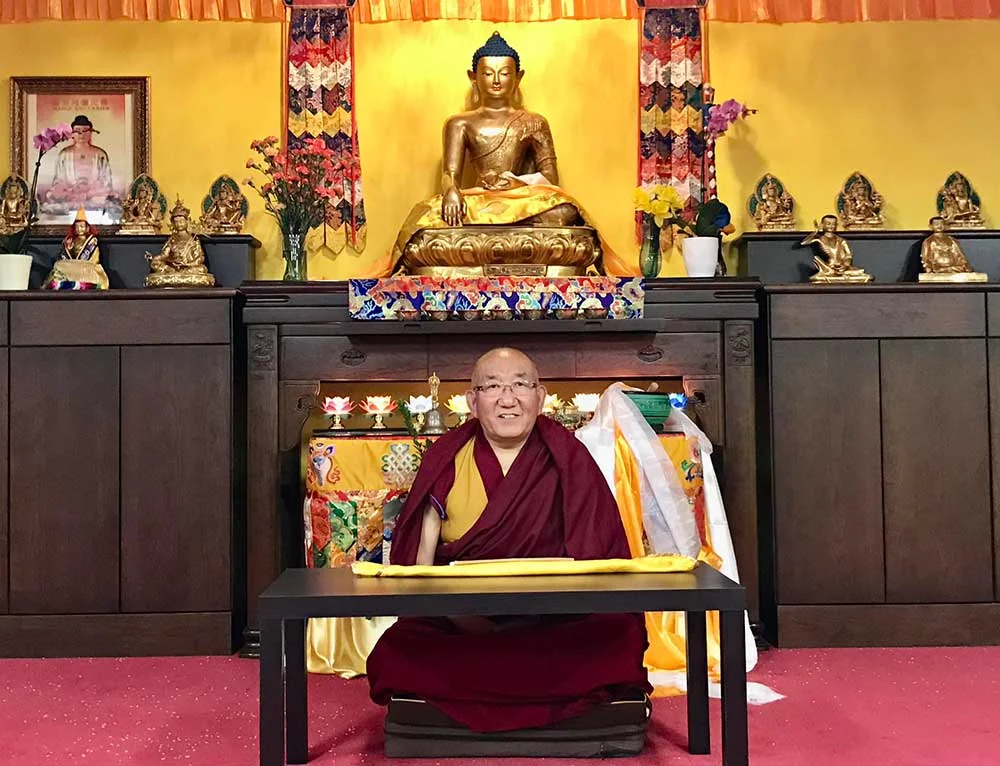
In Tibetan Buddhism, “Rinpoche,” meaning “precious one,” is the title most often given to a tulku: a teacher recognized as the rebirth of a realized master, who returns to continue the work of helping others.
When he was two years old, Arjia Rinpoche was recognized by the 10th Panchen Lama as the reincarnation of Lumbum Ge, the father of Je Tsongkhapa, founder of the Gelug tradition. With that recognition came a heavy inheritance: the abbacy of Kumbum Monastery, built on the very place where Tsongkhapa was born.
Timeline
Born in Amdo
Born in Haiyan County, in the Amdo region of northeastern Tibet, into a Mongolian herding family of the Khoshut clan.
Recognized as a tulku
Identified by the 10th Panchen Lama as the rebirth of Lumbum Ge, father of Je Tsongkhapa, and enthroned as abbot of Kumbum.
Persecution begins
When he is eight, the monastery is suppressed and he is sent to a Chinese secular school, but he keeps his faith in secret with his tutors.
Studies at Tashi Lhunpo
From twelve to fourteen he studies at Tashi Lhunpo, the seat of the Panchen Lama.
Years of labor
Through the Cultural Revolution he spends some sixteen years in forced labor.
Abbot once more
Reinstated as abbot of Kumbum, he restores monastic life and learning, and later founds a village clinic and school.
The Golden Urn
He witnesses the Golden Urn ceremony used to install a Beijing-chosen Panchen Lama, and later refuses to become the boy’s tutor.
Leaving Tibet
Unwilling to serve political aims, he leaves through Guatemala and is granted asylum in the United States with the help of the Dalai Lama.
A mandala for His Holiness
He creates a three-dimensional Kalachakra mandala and offers it to the Dalai Lama; it is now in the Smithsonian.
Mill Valley, California
He founds the Tibetan Center for Compassion and Wisdom, the charity that carries his work to this day.
Bloomington, Indiana
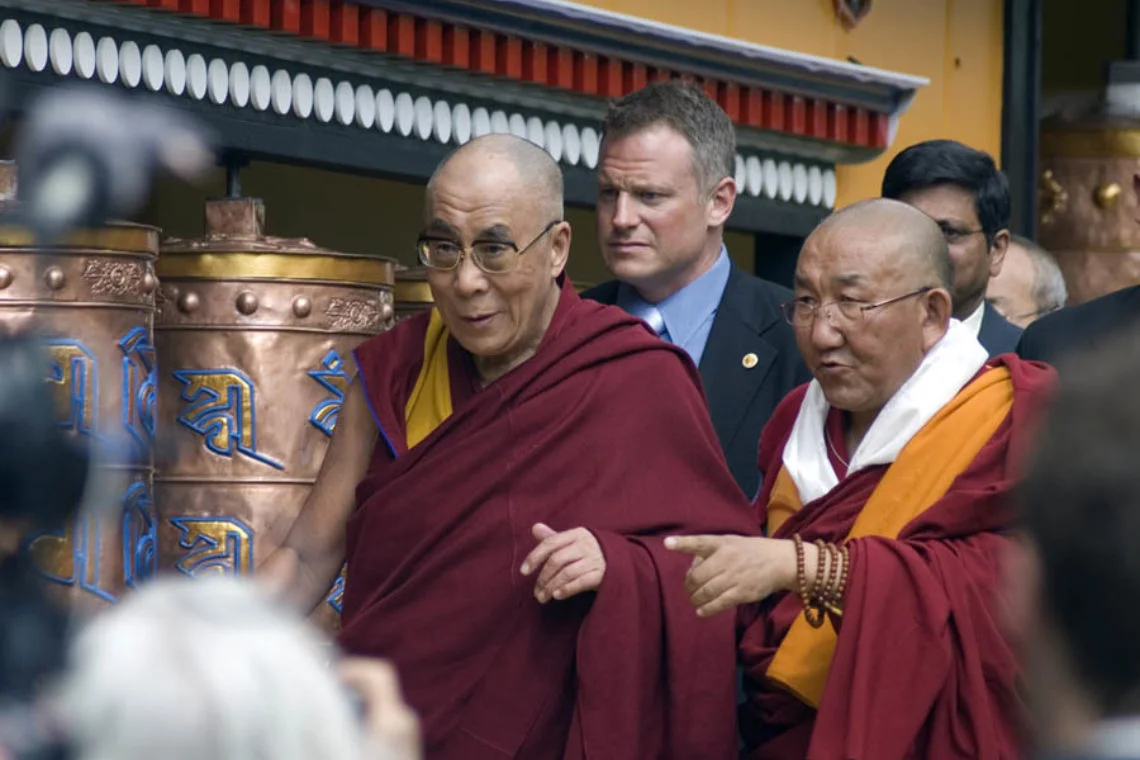
At the Dalai Lama’s request, he becomes director of the Tibetan Cultural Center, renewing it as the Tibetan Mongolian Buddhist Cultural Center. His Holiness visits in 2007 and 2010.
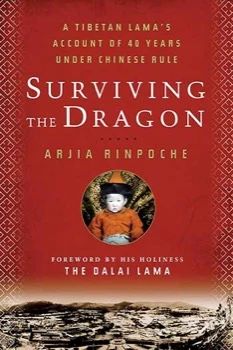
Surviving the Dragon
His memoir is published, with a foreword by the Dalai Lama, and later translated into six languages.
A hospital for children
The children’s cancer care center he initiated opens in Ulaanbaatar, beside the National Center for Maternal and Child Health.
Scholarships and the Kangyur
He launches A Right Scholarship for Mongolian students and, on September 1, begins reading the complete Kangyur.
The Center in Virginia
He moves to Virginia and founds the Center for Compassion and Wisdom in Clifton.
Agnist opens
Mongolia’s first day center for elders opens in Ulaanbaatar on August 27.
Passing the torch
On Saga Dawa Duchen he entrusts the Bloomington temple, Kumbum Chamtse Ling, to Minyak Rinpoche.
Gifts to Mongolia
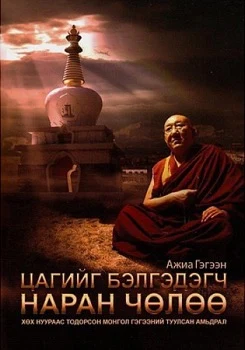
His life story appears in Mongolian as “Алтан Бумбын Алдуурал,” and the Agnist building is given to the City of Ulaanbaatar.
Kumbum, the monastery of a hundred thousand images
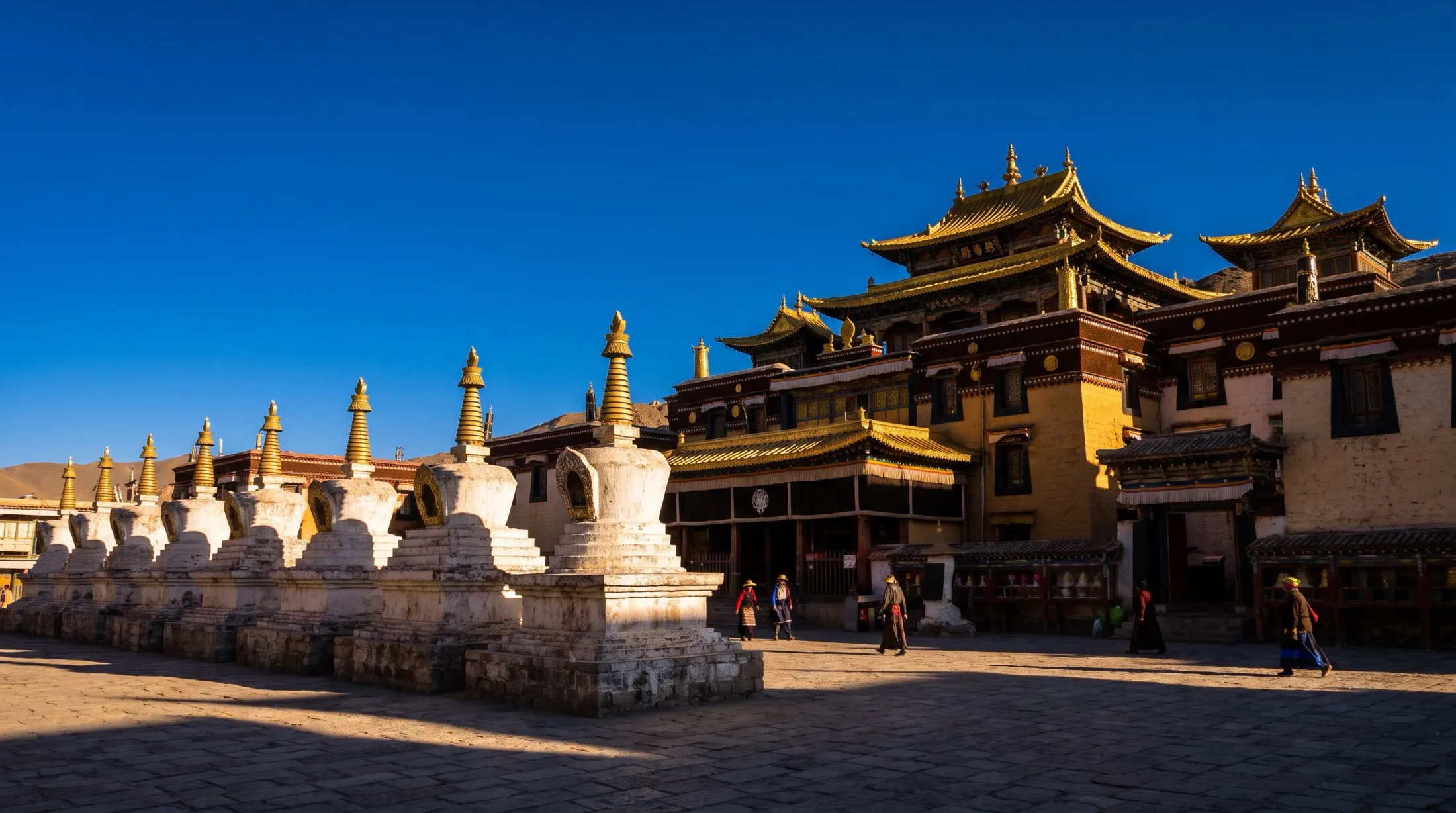
Kumbum Jampa Ling in Amdo, founded in 1583, is one of the six great monasteries of the Gelug school. Its name recalls the legend that a sandalwood tree grew where Tsongkhapa was born, its leaves bearing images of the Buddha. The Arjia line has traditionally held its abbacy, and with it the memory of the tradition’s founder.
Exile and America
By the 1990s Rinpoche held senior posts, including vice-president of the Buddhist Association of China. In 1995 he witnessed the Golden Urn ceremony used to install a Beijing-chosen Panchen Lama, and was then asked to become the boy’s tutor. Unwilling to lend his name to politics, he left everything behind in 1998, traveled through Guatemala and, with the help of His Holiness the Dalai Lama, received asylum in the United States.
He settled first in Mill Valley, California, where he founded the Tibetan Center for Compassion and Wisdom. In 2005 the Dalai Lama asked him to lead the Tibetan Cultural Center in Bloomington, Indiana, founded by His Holiness’s elder brother, Takster Rinpoche. Rinpoche renewed it as the Tibetan Mongolian Buddhist Cultural Center, a home for Tibetans, Mongolians and Americans alike, and in 2025 entrusted its temple, Kumbum Chamtse Ling, to Minyak Rinpoche.